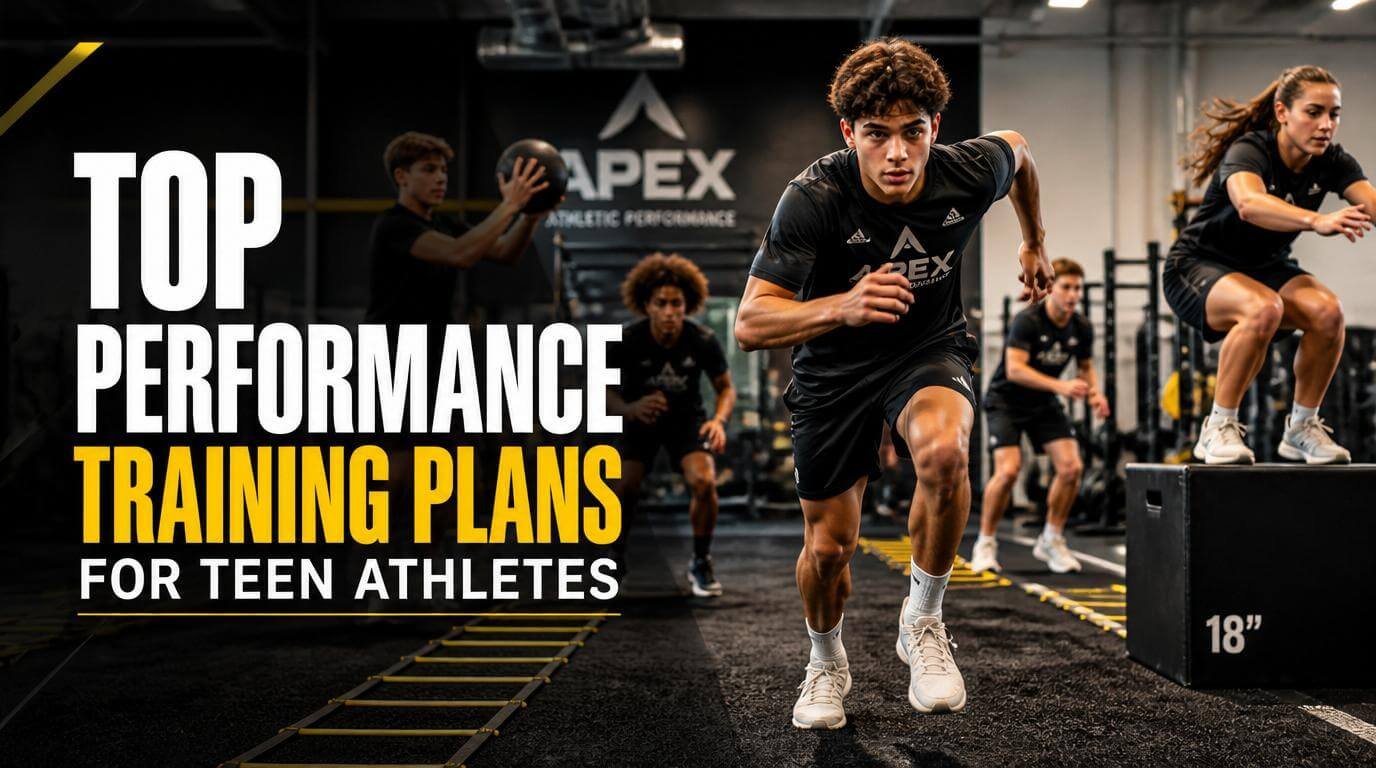
Finding the top rated performance fitness plans for teenage athletes felt impossible when my 15-year-old son wanted to get serious about training. Every program online either looked like a watered-down adult plan or some sketchy influencer workout with zero real science behind it. After two years of trial and error, working with coaches, dealing with one minor injury, and watching my kid actually get faster, I finally know what works. Here’s everything I wish someone had told me from the start.
Why Teenage Athletes Need Their Own Training Plans
Teenagers are not small adults. Their bodies are still developing, bones are growing, hormones are shifting, and their nervous systems are wiring up coordination in real time. Slapping a college-level strength program on a 14-year-old is a recipe for injury, burnout, or both.
A good youth performance plan accounts for biological maturity, not just age. Two kids who are both 16 can be at completely different developmental stages. One might handle heavy barbell work fine. The other might need another year of bodyweight training and movement quality drills before adding serious load.
I learned this the hard way when my son’s first “real” program had him doing heavy deadlifts three times a week. Within six weeks, his lower back was screaming. His physical therapist told us the issue wasn’t deadlifts themselves, it was that his growth plates hadn’t caught up to his ambition. That conversation changed everything about how we approached training.
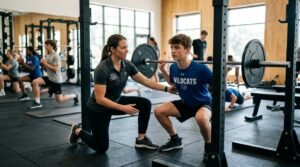
The best programs build a foundation first. They prioritize movement patterns, joint stability, and athletic coordination before piling on weight. If a plan jumps straight to max-effort sets without assessing where the athlete actually is, walk away.
How I Evaluated the Top Rated Performance Fitness Plans for Teenage Athletes
Before recommending anything, I want to be upfront about how I judged these programs. I looked at five things:
- Science-based programming from certified strength and conditioning professionals
- Appropriate progression for athletes aged 13 to 18
- Sport-specific options or general athleticism tracks
- Accessibility, meaning cost, equipment needs, and ease of following
- Real results over at least 8 to 12 weeks of consistent use
My son personally tried three of these. For the others, I interviewed coaches and parents whose athletes used them, and I reviewed the programming structures myself. Nobody paid me to write this. These are honest opinions based on real experience.
1. ISSA Youth Fitness Programming Principles
The International Sports Sciences Association offers one of the most respected certifications for youth fitness, and their programming philosophy trickles down into plans that trainers build using their framework. If your teen works with a personal trainer, ask if they hold an ISSA Youth Fitness Specialist credential.
What makes ISSA-based plans stand out is the emphasis on long-term athletic development rather than short-term gains. The programming cycles through phases: stability and mobility first, then strength endurance, then power development. Each phase typically lasts four to six weeks, which matches how teenage bodies actually adapt.
We worked with an ISSA-certified trainer for about five months, and the structure was noticeable. My son’s vertical jump improved by three inches, and his 40-yard dash dropped by nearly half a second. More importantly, he stayed healthy the entire time. The downside? Finding a qualified ISSA youth specialist in your area can be tough, and sessions run $50 to $100 each depending on location.

2. NSCA Youth Training Guidelines Applied Programs
The National Strength and Conditioning Association has published extensive research on youth athletic development, and several programs on the market are built directly from their guidelines. If you see a plan referencing the NSCA’s position statement on youth resistance training, that’s a green flag.
Programs following NSCA principles typically start with two to three training days per week, focus on compound movements like squats, lunges, push-ups, and rows, and use submaximal loads. The rep ranges sit in the 8 to 15 range, which builds strength without crushing a teenager’s recovery capacity.
My son’s high school strength coach actually built the team’s off-season program around NSCA guidelines, and it was one of the best structured plans we encountered. The kids trained three days a week, had built-in deload weeks, and did regular movement screens. The only catch is that these programs work best with a knowledgeable coach supervising. Handing a 14-year-old a spreadsheet and saying “go lift” misses the point entirely.
3. Parisi Speed School Programs
If your teenager plays a sport that demands speed, agility, and quickness, Parisi Speed School is worth a serious look. They operate franchise locations across the United States, and their programming specifically targets athletic performance for youth and teen athletes.
What I appreciate about Parisi is that they actually test athletes on day one. They run speed assessments, movement screens, and sport-specific evaluations before writing a single workout. My friend’s daughter, a soccer player, trained at Parisi for a full season. Her agility improved noticeably, and her coach commented on how much faster she was getting to loose balls.
The training sessions blend sprint mechanics, plyometrics, strength work, and flexibility into 60 to 90 minute blocks. They group athletes by ability level rather than just age, which matters because a mature 14-year-old and a late-developing 16-year-old might train in the same group. Sessions typically cost $200 to $400 per month depending on frequency, which is not cheap but competitive with private training.
4. Athletic Republic Training Systems
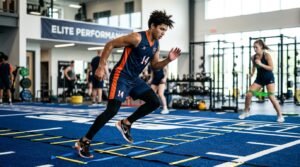
Athletic Republic has been around since 1990, and they focus almost exclusively on sports performance training for athletes aged 8 and up. Their facilities use specialized equipment like their super-speed treadmills that force athletes to run at speeds they can’t hit on flat ground, training the nervous system to recruit muscle fibers faster.
My son did a six-week summer program at an Athletic Republic location, and honestly, this was where we saw the most dramatic speed improvement. His 10-yard sprint time dropped significantly, and his first-step explosiveness on the basketball court was visibly different. The coaches there knew how to push teenagers without breaking them.
The programming follows a periodized model, meaning it cycles through different training emphases over weeks and months. They also provide nutrition guidance, which most programs skip entirely. The cost is similar to Parisi, roughly $250 to $500 per month depending on the package. Not every city has a location, so check availability before getting excited.
5. Volt Athletics App-Based Training
For families who cannot access in-person facilities or afford monthly training fees, Volt Athletics offers one of the best app-based solutions I’ve found. Volt provides sport-specific training programs designed by certified strength coaches, and they have options specifically built for high school athletes across dozens of sports.
The app assigns workouts based on your sport, position, training experience, and available equipment. It includes video demonstrations for every exercise, which helps teenagers who have never touched a barbell understand proper form. The programming adjusts difficulty over time, progressing athletes through phases just like a good in-person coach would.
My son used Volt during the pandemic when gyms closed, and it kept him training consistently for four months straight. The workouts were challenging but appropriate, and the app tracked his progress over time. At around $15 per month for individual athletes, it is remarkably affordable. The trade-off is obvious though: no real-time coaching feedback. If your teen has never trained before, I would still recommend at least a few sessions with a real coach to learn basic movement patterns before relying solely on an app.
6. Bigger Faster Stronger (BFS) Total Program
BFS has been a staple in high school weight rooms for decades. Their Total Program is designed specifically for teenage athletes and follows a simple, repeatable structure that even volunteer coaches can implement. Many high school athletic programs across the country already use some version of BFS.
The program revolves around core lifts like the squat, bench press, power clean, and hex bar deadlift, combined with auxiliary exercises and a structured stretching routine called the BFS 1-2-3-4 flexibility program. Athletes train three days per week and follow a set-rep progression that cycles every four weeks.
What I like about BFS is its simplicity. Teenagers can understand and follow the plan without needing a PhD in exercise science. The program also includes a strong character development component, which might sound cheesy but actually resonates with a lot of young athletes. The full program manual costs around $30, making it the most budget-friendly option on this list. The weakness? It is less individualized than other options. A basketball point guard and a football lineman get similar programming, and sport-specific needs can get overlooked.
7. Overtime Athletes Online Programs
Jeff Cavaliere gets a lot of attention in the fitness YouTube space, but for teenage athletes specifically, Overtime Athletes has quietly built a strong following. Their programs target high school and college-bound athletes who want to improve vertical jump, speed, and overall athleticism.
The programs are delivered online and typically run 8 to 12 weeks. They combine strength training, plyometrics, and mobility work into four to five training days per week. Each program targets a specific athletic quality, so you might buy the vertical jump program separately from the speed program.
I know two families whose kids used Overtime Athletes programs, one for basketball and one for volleyball. Both reported solid results, specifically in jumping ability and lateral quickness. The programs cost between $67 and $97 as a one-time purchase, which makes them more affordable than monthly memberships. The content is well-produced with clear video instruction. The downside is that there is no personalized coaching or form checks, so athletes need some baseline training experience to get the most out of it.
What to Look For in Any Youth Performance Program
Regardless of which program you choose, certain elements separate good teen training plans from bad ones. A solid program always includes a proper warm-up that takes at least 10 minutes and addresses mobility, activation, and movement preparation. Skip this part and injuries follow.
Progressive overload matters, but it should happen gradually. Adding 5 pounds per week to a squat is reasonable. Jumping 20 pounds because the athlete “felt strong” is how you end up in a physical therapist’s office. Good programs build in deload weeks every four to six weeks where volume and intensity drop intentionally so the body can recover and adapt.
Rest days are non-negotiable. Teenagers who train six or seven days a week burn out fast. Three to four training days per week with adequate sleep is the sweet spot for most young athletes. And sleep really is the secret weapon nobody talks about enough. My son’s performance improved more from consistently sleeping eight-plus hours than from any single program change we made.
Also watch out for programs that promise unrealistic results. No plan will add 10 inches to a vertical in 30 days. If the marketing sounds too good to be true, it absolutely is.
Nutrition Matters Just as Much as Training
You cannot out-train a bad diet, and this is especially true for teenagers whose bodies are demanding extra calories just for normal growth. A training plan without nutritional awareness is only doing half the job.
Teenage athletes need adequate protein, somewhere between 0.6 to 0.9 grams per pound of bodyweight daily, to support muscle recovery and growth. Carbohydrates fuel training sessions, and cutting carbs for a teenager is almost never the right move. Healthy fats support hormone production, which is critical during puberty.
We saw the biggest body composition changes when my son started eating a real breakfast before school, not a Pop-Tart, but eggs, oatmeal, and fruit. Simple swaps like that made a noticeable difference in his energy during afternoon practices. If you want specific guidance, working with a registered dietitian who specializes in youth sports nutrition is worth every penny.

FAQs
At what age should a teenager start a structured fitness plan?
Most sports medicine organizations agree that structured resistance training can begin around age 12 to 14, as long as the athlete can follow instructions and maintain proper form. Starting with bodyweight movements and progressing to external load over time is the safest approach. The focus should always be movement quality before adding intensity or volume.
Are top rated performance fitness plans for teenage athletes safe for beginners?
Yes, as long as the program accounts for training experience. The best plans start with a baseline assessment and build from there. Beginners should expect lighter loads, higher rep ranges, and more emphasis on learning movement patterns. Avoid any program that throws a beginner into heavy lifting without a proper on-ramp phase.
How many days per week should a teenage athlete train?
Three to four days of structured training per week works best for most teenage athletes. This allows enough stimulus for improvement while leaving room for sport practices, games, and recovery. Overtraining is a real risk at this age, and more is not always better. Rest days are where the actual adaptation happens.
Can teenage athletes use the same supplements as adults?
Most teenagers do not need supplements beyond a basic multivitamin and possibly protein powder to help hit daily protein targets. Creatine is generally considered safe for older teens (16+) by most sports science researchers, but always consult a doctor first. Pre-workouts, fat burners, and testosterone boosters have no place in a teenager’s routine, period.
How long before a teenage athlete sees results from a fitness plan?
Expect noticeable improvements in strength, speed, or body composition within 8 to 12 weeks of consistent training. Beginners often see faster initial progress because their bodies respond quickly to new stimulus. Patience matters here. Building a truly athletic body takes years, not weeks, and the athletes who stay consistent always outperform the ones chasing shortcuts.
Should teenage athletes focus on sport-specific or general fitness training?
Before age 15 or 16, general athletic development usually produces better long-term results than hyper-specific training. Building a broad base of strength, speed, coordination, and mobility creates a more resilient athlete who can excel in any sport. Sport-specific training becomes more valuable as athletes mature and commit to one or two primary sports.
Conclusion
Picking the right training plan for a teenage athlete takes a little research, a lot of honesty about where the kid actually is developmentally, and the patience to let the process work. The top rated performance fitness plans for teenage athletes all share common ground: smart progression, age-appropriate programming, and a focus on long-term health over quick results. What sport does your teenager play, and what has your experience with training programs been so far?