Performance fitness plans for newly retired adults starting exercise hit different when you’re the one standing in your garage at 7 AM wondering where to even begin. I retired at 62, and after decades of sitting at a desk, my body felt like a rusty hinge. The motivation was there. The knowledge wasn’t. I spent months figuring out what actually works for people like us, people who want real fitness, not just gentle stretching in a church basement. Here’s everything I learned the hard way.
Why “Performance” Matters Even After Retirement
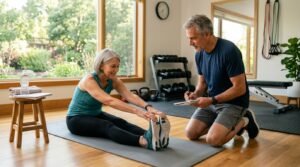
Most fitness advice for retirees treats you like you’re fragile. And honestly, that annoyed me. I didn’t want to just “stay mobile.” I wanted to feel strong, move fast when I needed to, and keep up with my grandkids without wheezing. That’s what performance fitness means at this stage. It’s not about competing in CrossFit. It’s about building a body that performs well for the life you actually want to live.
Performance-based training focuses on functional strength, cardiovascular endurance, balance, and power. These aren’t just gym buzzwords. They translate directly into carrying groceries up stairs, catching yourself before a fall, and hiking with friends without needing to stop every five minutes. A study from the American College of Sports Medicine found that adults who train for functional performance, rather than just general activity, see significantly better outcomes in independence and quality of life after 65.
The mindset shift matters. You’re not exercising because your doctor told you to. You’re training because you want your body to do things well.
Assess Where You Actually Are Right Now
Before you build any plan, you need an honest baseline. Not what you could do ten years ago. What you can do today. I made the mistake of jumping straight into a program designed for “active adults” and tweaked my shoulder in week two. Don’t be me.
Here’s what I recommend checking before you start:
- Resting heart rate (a simple smartwatch or even two fingers on your wrist works)
- How many bodyweight squats you can do before your form breaks down
- Whether you can balance on one foot for 30 seconds with your eyes closed
- How far you can comfortably walk in 15 minutes without getting winded
Write these numbers down. Seriously, grab a notebook. You’ll look back at them in three months and feel like a different person. If anything hurts during these simple tests, see a doctor or physical therapist first. Skipping that step cost me six weeks of recovery I didn’t need to lose.
Building Your First Performance Fitness Plan as a Newly Retired Adult
This is the part where most articles give you a cookie-cutter 12-week program and call it a day. I’m not going to do that, because what worked for me might not work for you. Instead, I’ll walk you through how to build your own plan, one that fits your body, your schedule, and your actual goals.
Start With Three Days a Week
Your body needs recovery time, especially when you haven’t been training consistently. Three days per week gives you enough stimulus to see real progress without burning out. I started with Monday, Wednesday, and Friday, and I kept weekends completely free. That rhythm stuck.
Each session should be 30 to 45 minutes at first. Not two hours. Not even one hour. You’re building a habit, not proving something. The consistency matters infinitely more than the intensity right now.
Structure Each Session Around Four Pillars
Every workout in a solid performance fitness plan should touch on these four areas:
Mobility and warm-up (5 to 10 minutes). This isn’t optional. I use a foam roller, some hip circles, and ankle rotations. My go-to resource for warm-up routines is the free videos from Dr. John Rusin’s YouTube channel. They’re designed for adults who need real joint prep, not just arm swings.
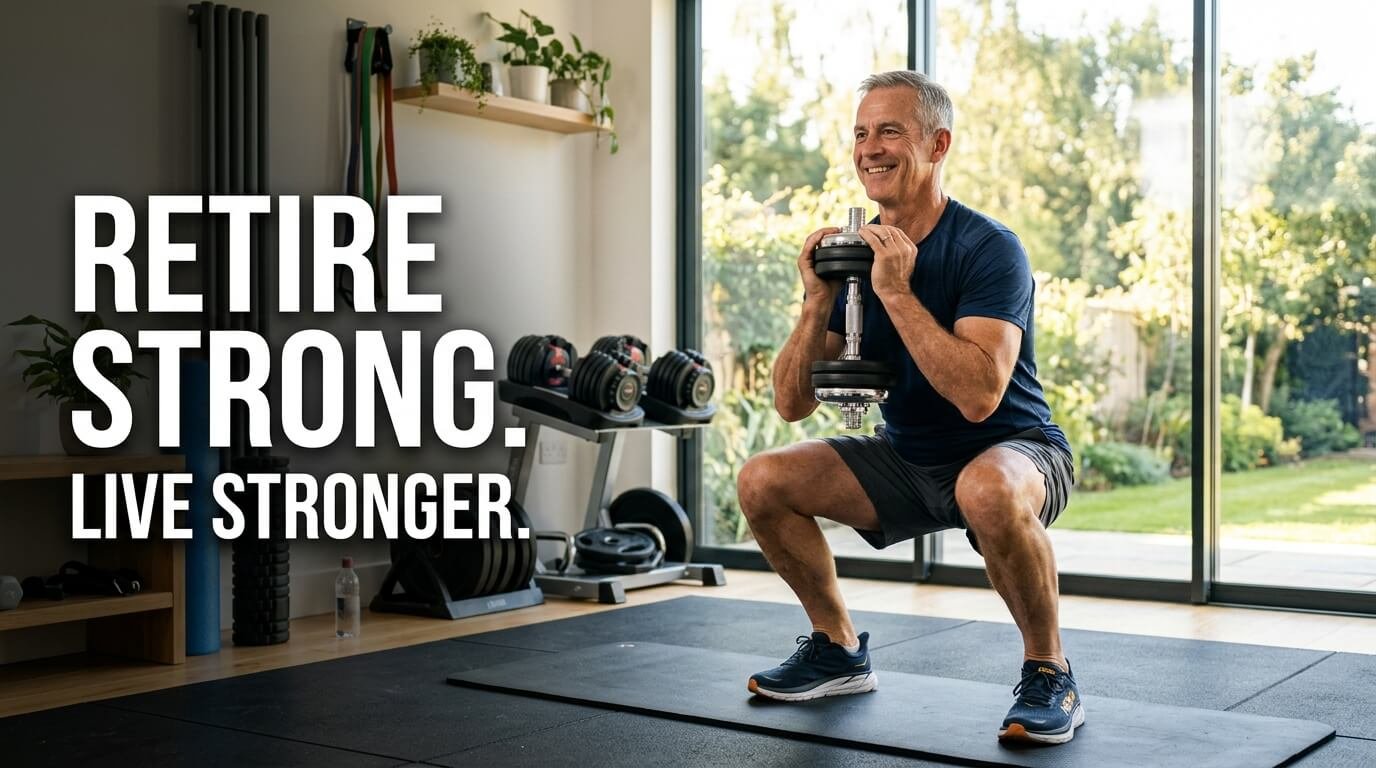
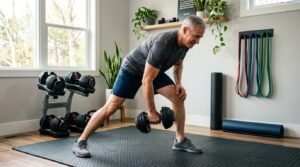
Strength training (15 to 20 minutes). Compound movements are your best friend. Goblet squats, dumbbell rows, push-ups (even modified ones against a counter), and deadlifts with light dumbbells. I bought a pair of adjustable Bowflex SelectTech dumbbells and they’ve been worth every penny. Start lighter than you think you need to. Your ego can handle it.
Cardiovascular conditioning (10 to 15 minutes). Not jogging. At least not yet. I’m talking about brisk walking intervals, cycling on a stationary bike, or using a rowing machine. The Concept2 rower is phenomenal if you have the budget and space. Alternate between 2 minutes of moderate effort and 1 minute of easy effort.
Balance and cooldown (5 minutes). Single-leg stands, heel-to-toe walking, and gentle stretching. This is the stuff that prevents falls and keeps your proprioception sharp. I ignored balance work for the first two months and I genuinely regret it.
Choosing the Right Intensity Without Overdoing It
Here’s where newly retired adults often get into trouble. You feel great after the first week, so you crank up the weight or add extra sessions. Then something pops. Or you’re so sore you skip the next three workouts and the whole plan falls apart.
Use the Rate of Perceived Exertion (RPE) scale. It goes from 1 to 10. During your strength work, aim for a 6 or 7. You should feel challenged but never like you’re about to collapse. For cardio intervals, push to a 7 or 8 during the hard parts and drop to a 4 during the easy parts.
I also started wearing a Garmin Venu Sq 2 to track my heart rate during workouts. Staying in the right zone made a huge difference. My target during cardio was roughly 110 to 140 beats per minute, which I calculated using the Karvonen formula with my resting heart rate and age. Your doctor can help you figure out your personal zones if math isn’t your thing.
Progressing Your Plan Every Four Weeks
Your body adapts quickly, even at 60-plus. If you’re doing the same exact workout in month three that you did in month one, you’ve plateaued. Progression doesn’t mean adding 50 pounds to the bar. It means making small, deliberate increases.
Every four weeks, adjust one of these variables:
- Add 2 to 5 pounds to your strength exercises
- Increase your cardio intervals by 30 seconds on the hard portions
- Add a fourth training day if your body is recovering well
- Try a more challenging balance exercise, like standing on a balance pad
I keep a simple Google Sheet to track my workouts. Nothing fancy. Just the date, exercises, weights, sets, reps, and how I felt. Looking back at that data is honestly one of the most motivating things I do. Watching those numbers climb, even slowly, reminds me that this is working.
Recovery Is Part of the Plan, Not a Break From It
When I was younger, recovery meant “doing nothing.” Now, recovery is an active part of my performance fitness plan. Sleep, nutrition, and rest days aren’t just nice-to-haves. They’re non-negotiable.
I aim for 7 to 8 hours of sleep. I take a magnesium glycinate supplement at night, which noticeably improved my sleep quality (my doctor approved it first). On rest days, I go for a 20-minute walk or do a gentle yoga flow using the Down Dog app, which I think is the best yoga app for beginners because you can customize the session length and difficulty.
Protein intake matters more than I expected. After 60, your body becomes less efficient at using dietary protein for muscle repair. I shoot for roughly 0.7 grams of protein per pound of bodyweight. That means I’m eating around 120 grams per day. Greek yogurt, chicken, eggs, and a scoop of Momentous whey protein after workouts get me there without much fuss.

Common Mistakes That Stall Progress for Newly Retired Exercisers
I made most of these mistakes myself, so this section comes from a place of hard-won experience, not judgment.
Skipping the warm-up because you “feel fine” is the fastest route to injury. Your joints need time to produce synovial fluid and your muscles need blood flow before load. Five minutes. Just do it.
Comparing yourself to other people at the gym will wreck your motivation. The 65-year-old guy deadlifting 300 pounds has probably been training for 20 years. You’re on day 30. Your only competition is last week’s version of yourself.
Not having a plan and just “winging it” at the gym leads to random, unfocused workouts that produce random, unfocused results. Write your workout down before you walk in. Follow the plan. Adjust later.
Avoiding weights because you’re afraid of getting hurt actually makes you more likely to get hurt. Strength training, done correctly and progressively, is the single best thing you can do for bone density, joint stability, and fall prevention. The research on this is overwhelming.
Finding Support and Staying Accountable
Going solo works for some people. It didn’t work for me. I found an accountability partner, my neighbor Dave, who retired six months before I did. We text each other after every workout. On days when I don’t feel like training, knowing Dave already finished his session is usually enough to get me moving.
If you don’t have a workout buddy, consider hiring a personal trainer for just the first month. Many trainers offer discounted introductory packages. I used a trainer at my local YMCA for four sessions, and she corrected form issues I didn’t even know I had. That investment saved me from injuries that would have cost far more in physical therapy.
Online communities also help. The r/fitness30plus subreddit on Reddit is surprisingly supportive for older adults getting started. And the Stronger By Science podcast is excellent if you want to nerd out on evidence-based training without wading through bro-science.

Frequently Asked Questions
What’s the best performance fitness plan for a newly retired adult with no gym experience?
Start with three days of full-body workouts using bodyweight exercises and light dumbbells. Focus on squats, push-ups, rows, and walking intervals. Keep sessions under 45 minutes. Build the habit first, then add complexity. A trainer can help you learn proper form during the first month, which makes everything safer and more effective going forward.
How long before I see real results from my exercise plan?
Most people notice improved energy and sleep within the first two weeks. Visible strength gains and body composition changes typically show up around the 8 to 12 week mark. Consistency beats intensity every time. Stick with three sessions a week and track your progress in a notebook or app so you can actually see the improvements adding up.
Should retired adults focus more on cardio or strength training?
Both matter, but strength training deserves more of your time. After 60, muscle loss accelerates significantly, and resistance training is the most effective way to counter that. I split my sessions roughly 60/40 in favor of strength over cardio. You still need cardiovascular work for heart health, but don’t skip the weights.
Is it safe to start a performance-based fitness plan at 65 or older?
Absolutely, as long as you get medical clearance first and start at an appropriate intensity. Performance training doesn’t mean extreme training. It means building a body that functions well. Start conservatively, progress slowly, and listen to your body. If something hurts beyond normal muscle soreness, stop and consult a professional before pushing through.
How much should I spend on equipment to get started at home?
You can start for under $150. A set of adjustable dumbbells, a yoga mat, and a foam roller cover the basics. Add a resistance band set for around $20 and you’ve got a very capable home gym. I trained at home for the first three months before joining a gym, and the results were just as solid as anything I’ve done with fancy equipment.
Conclusion
Building a real fitness plan after retirement isn’t about following some generic template. It’s about knowing your body right now, respecting where you’re starting, and making small, smart progressions that add up to something genuinely impressive over time. My only regret is not starting sooner. What’s holding you back from your first session this week?