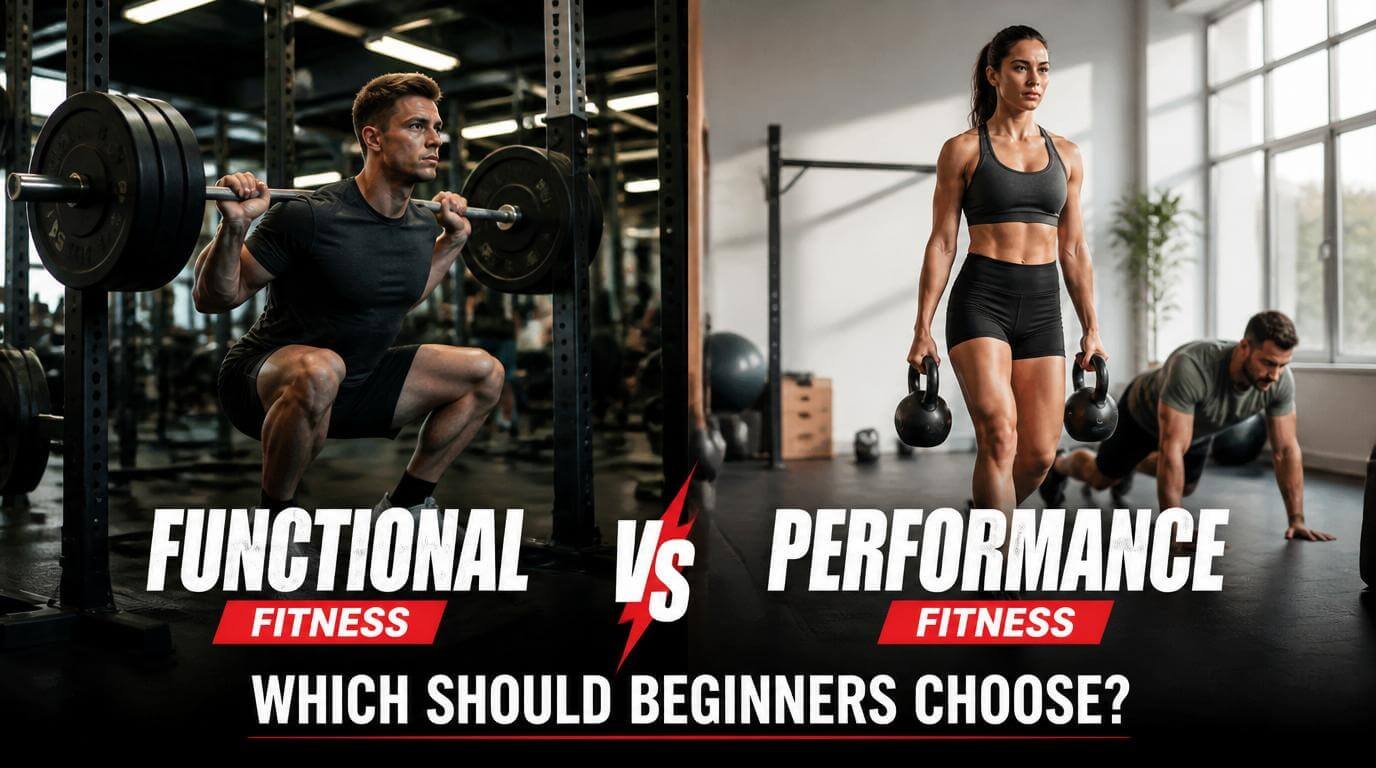
When I first tried to understand the difference between performance fitness and functional fitness for beginners, I picked the completely wrong path and spent three months frustrated, sore, and wondering why the gym felt like punishment. Turns out, choosing the wrong training style when you’re just starting out doesn’t just slow your progress. It kills your motivation entirely. I’ve been on both sides now, and the contrast is honestly wild.
What Performance Fitness Actually Means
Performance fitness is training with one goal: measurable output. You want to run faster, lift heavier, jump higher, or last longer in a specific sport or competition. Every workout pushes a number forward. Your bench press goes from 135 to 185. Your mile time drops from 9 minutes to 7:30. There’s always a metric you’re chasing.
Think of CrossFit competitors, track athletes, or powerlifters. Their entire training program revolves around improving specific physical capacities. Periodization, progressive overload, and structured programming are the backbone. If you follow a program like Starting Strength or nSuns, you’re in performance territory.
The mindset here is “how much more can I do next week?” It’s addictive when it clicks, but it demands consistency, recovery protocols, and usually some baseline fitness to even start safely. That’s where beginners sometimes run into trouble. You can’t chase performance numbers when your body hasn’t learned the basics yet.
What Functional Fitness Really Looks Like
Functional fitness focuses on making your body work better for everyday life. Picking up groceries without tweaking your back, climbing stairs without losing your breath, playing with your kids at the park without feeling wrecked the next day. The priority is movement quality over movement quantity.
A typical functional workout might include squats, lunges, carries, pushes, pulls, and rotational movements. You’ll find these in programs from trainers like Dan John, who literally wrote the book on keeping training simple and practical. Brands like TRX and kettlebell-focused programs from StrongFirst lean heavily into this philosophy.
What makes it different from performance training isn’t the exercises themselves. Squats show up in both. The difference is intent. In functional training, you squat so that sitting down and standing up stays easy at age 70. In performance training, you squat because you want a 400-pound back squat by December. Same movement, completely different purpose.
The Difference Between Performance Fitness and Functional Fitness for Beginners: Why It Matters Early
Here’s the thing most fitness content skips over. When you’re brand new, choosing the wrong approach can set you back months. I know because I did exactly that.
I walked into my first gym experience following a bodybuilding-style performance program I found on Reddit. Five days a week, isolation exercises, chasing progressive overload on every lift. Within six weeks, my left shoulder was screaming, my lower back felt unstable, and I dreaded every session. I wasn’t ready for that volume or intensity.
When I switched to a functional approach, focusing on basic movement patterns three days a week with lighter loads, everything changed. My joints stopped hurting. I actually started looking forward to workouts. And ironically, my strength numbers still went up because I was finally moving correctly.
For beginners, functional fitness builds the foundation that performance fitness eventually needs. Skip that foundation and you’re building a house on sand.
Training Goals: Numbers vs. Quality of Life
Performance fitness gives you concrete targets. You know exactly where you stand and where you’re headed. That clarity motivates a lot of people. If you thrive on tracking PRs in an app like Strong or JEFIT, this approach feeds that part of your brain perfectly.
Functional fitness goals feel squishier at first. “Move better” sounds vague compared to “add 10 pounds to my deadlift.” But the results show up in ways that surprise you. You notice it when you carry all the grocery bags in one trip without stopping. Or when you twist to grab something from the back seat and nothing pops or cracks.
Neither set of goals is superior. They’re just different currencies. One pays you in numbers on a spreadsheet. The other pays you in daily comfort and physical confidence. As a beginner, I’d argue the second one keeps you in the game long enough to eventually chase the first.
Injury Risk: Where Beginners Get Burned
Performance programs push intensity. That’s literally the point. But intensity without proper movement mechanics is a recipe for injury, especially for someone who spent the last five years at a desk.
I tweaked my lower back trying to hit a deadlift PR during my third month of training. Three months. I had no business chasing maxes that early, but the program said to test, so I tested. That little injury cost me two weeks off and a lingering fear of deadlifts that took months to shake.
Functional training tends to be more forgiving. The loads stay moderate, the rep ranges stay reasonable, and the emphasis on form creates a built-in safety net. You’re less likely to hurt yourself doing farmer carries with 35-pound dumbbells than you are grinding out a sketchy one-rep max.
This doesn’t mean functional training is injury-proof. Bad form is bad form regardless. But the risk profile for a true beginner is noticeably lower.
Equipment and Environment: Gym vs. Anywhere
Performance fitness usually requires a gym. You need barbells, squat racks, cable machines, and plates. A solid performance-focused gym membership runs $30 to $80 a month depending on your location. Some people invest in home gym setups with brands like Rogue Fitness or Rep Fitness, but that’s a significant upfront cost.
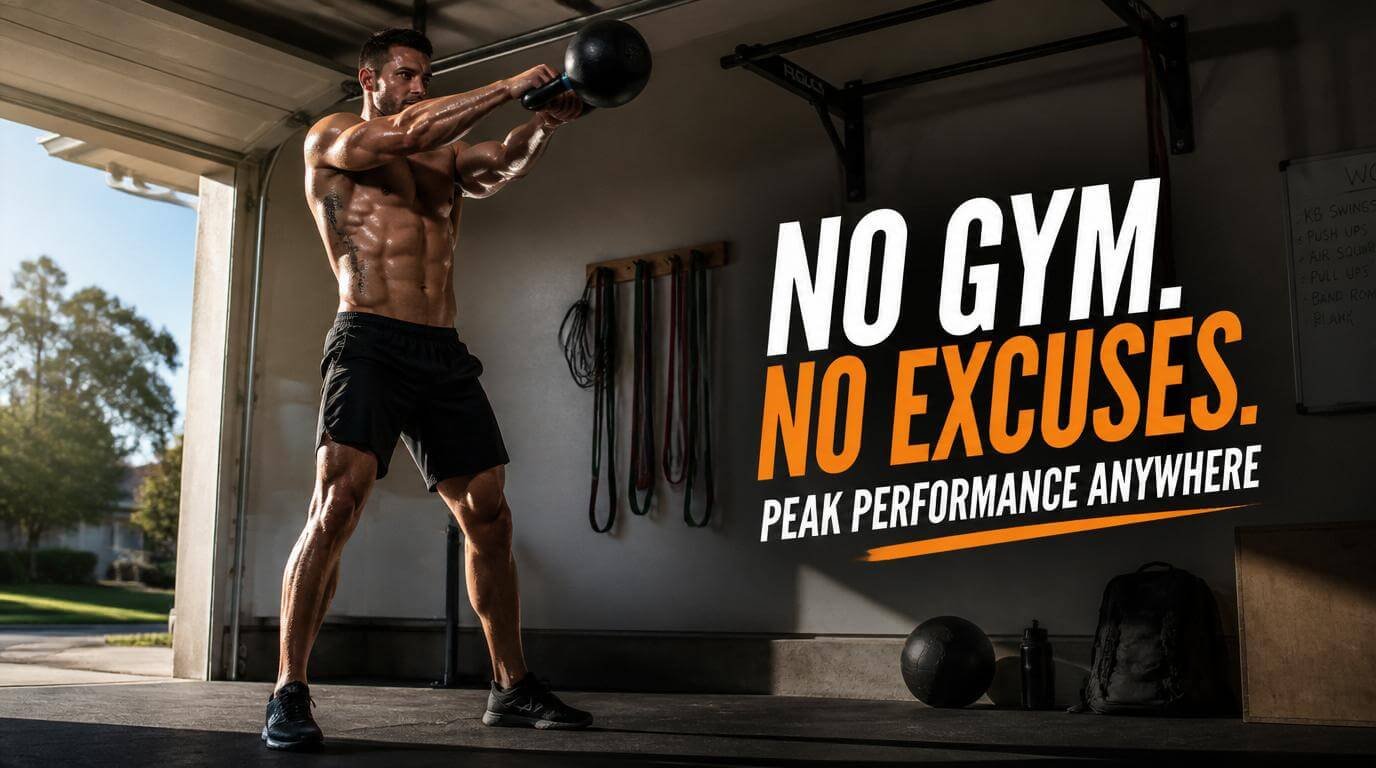
Functional fitness can happen almost anywhere. A pair of kettlebells, a pull-up bar, and some floor space covers about 90% of what you need. I did a full functional program for four months using just a single 35-pound kettlebell and a yoga mat in my garage. Total investment: around $60.
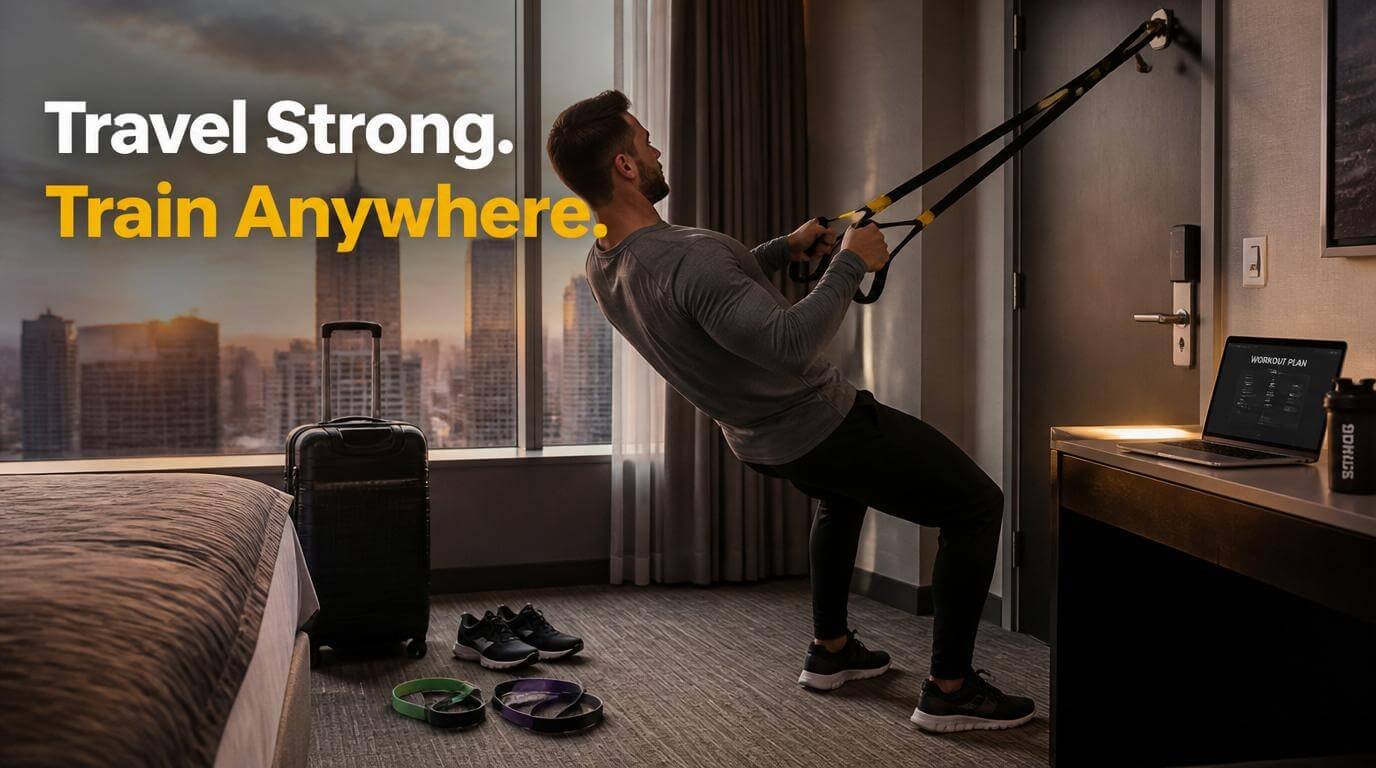
If budget or gym access is a barrier, functional training removes that excuse entirely. It’s also great for travel. I’ve done hotel room workouts with nothing but bodyweight movements and a resistance band from Amazon, and I still felt like I got solid work done.
Programming Complexity: Simple vs. Structured
Performance programs can get complicated fast. You’ve got percentages of your one-rep max, deload weeks, accessory work rotations, and spreadsheet tracking. Programs like Wendler’s 5/3/1 are brilliant but intimidating if you’ve never touched a barbell.
Functional programs tend to stay simpler. A classic Dan John “Easy Strength” setup gives you five movements, done five days a week, at comfortable loads. That’s it. No calculations. No spreadsheets. Just show up and move.
For beginners, simplicity wins. I’ve watched friends download a 16-week periodized program and quit by week three because they couldn’t keep track of everything. Simple sticks. Complex fails when motivation dips, and motivation always dips at some point.
When Should a Beginner Switch to Performance Training?
There’s no universal timeline, but I have a rough personal guideline. Once you can perform all the basic movement patterns with solid form at moderate loads for about three to six months consistently, you’ve built enough of a base to start specializing.
That means you can bodyweight squat to full depth without your knees caving in. You can hinge at the hips and pick something heavy off the floor without rounding your back. You can press overhead without flaring your ribs. You can hold a plank for 60 seconds without shaking.
Once those boxes are checked, chasing performance goals becomes way safer and more productive. You’ve earned the right to push harder because your body can handle it. Plenty of coaches, including Gray Cook of FMS fame, have echoed this exact progression. Move well first. Then move more.
Can You Combine Both Approaches?
Absolutely. And honestly, the best long-term training programs do exactly that. You keep functional movement quality as your baseline while layering performance goals on top.
A practical example: you warm up with functional mobility work, do your main performance lifts for the day, then finish with a functional circuit that reinforces good movement patterns. Programs like Atomic Athlete and SOFLETE blend these two philosophies well for people who want the best of both worlds.
I currently train four days a week. Two sessions focus on barbell strength work with performance targets. Two sessions are functional circuits with kettlebells, carries, and bodyweight movements. It’s the happiest my body has ever been, and my numbers keep climbing too.
FAQs
Is functional fitness easier than performance fitness?
Not exactly easier, just different in focus. Functional training emphasizes movement quality and moderate intensity, which feels less brutal day to day. But a well-designed functional workout will still leave you sweating. The perceived difficulty depends on your current fitness level and what you’re used to.
Can I build muscle with functional fitness alone?
Yes, especially as a beginner. Your body responds to resistance regardless of whether it comes from a barbell or a kettlebell. You’ll build practical, balanced muscle through functional movements. Eventually, if hypertrophy becomes your main goal, adding performance-style training helps you push past plateaus.
What’s the difference between performance fitness and functional fitness for beginners who want to lose weight?
Both approaches burn calories and build lean mass, which supports fat loss. Functional fitness tends to be more sustainable for beginners because the injury risk stays lower and the programs feel less intimidating. Consistency matters most for weight loss, and you’ll stay consistent with whichever style you actually enjoy.
Do I need a personal trainer for either approach?
A trainer helps with both, but it’s especially valuable when starting performance training. The technique demands for heavy barbell lifts are high, and bad habits form fast without feedback. For functional training, a few sessions to learn basic patterns can save you months of guessing.
How many days per week should a beginner train?
Three days works perfectly for most beginners in either style. That gives you enough stimulus to progress while leaving recovery time between sessions. As your fitness improves over several months, you can bump it to four or five days if your schedule and body allow it.
Conclusion
Picking the right training style early saves you from the frustration I put myself through. Start with functional fitness to build your base, then chase performance goals once your body is ready. So which approach are you leaning toward right now?